
Check your credit card eligibility in the UK

Editor, Consumer Finance: Michelle Blackmore
Last Updated: February 5, 2026
In This Article
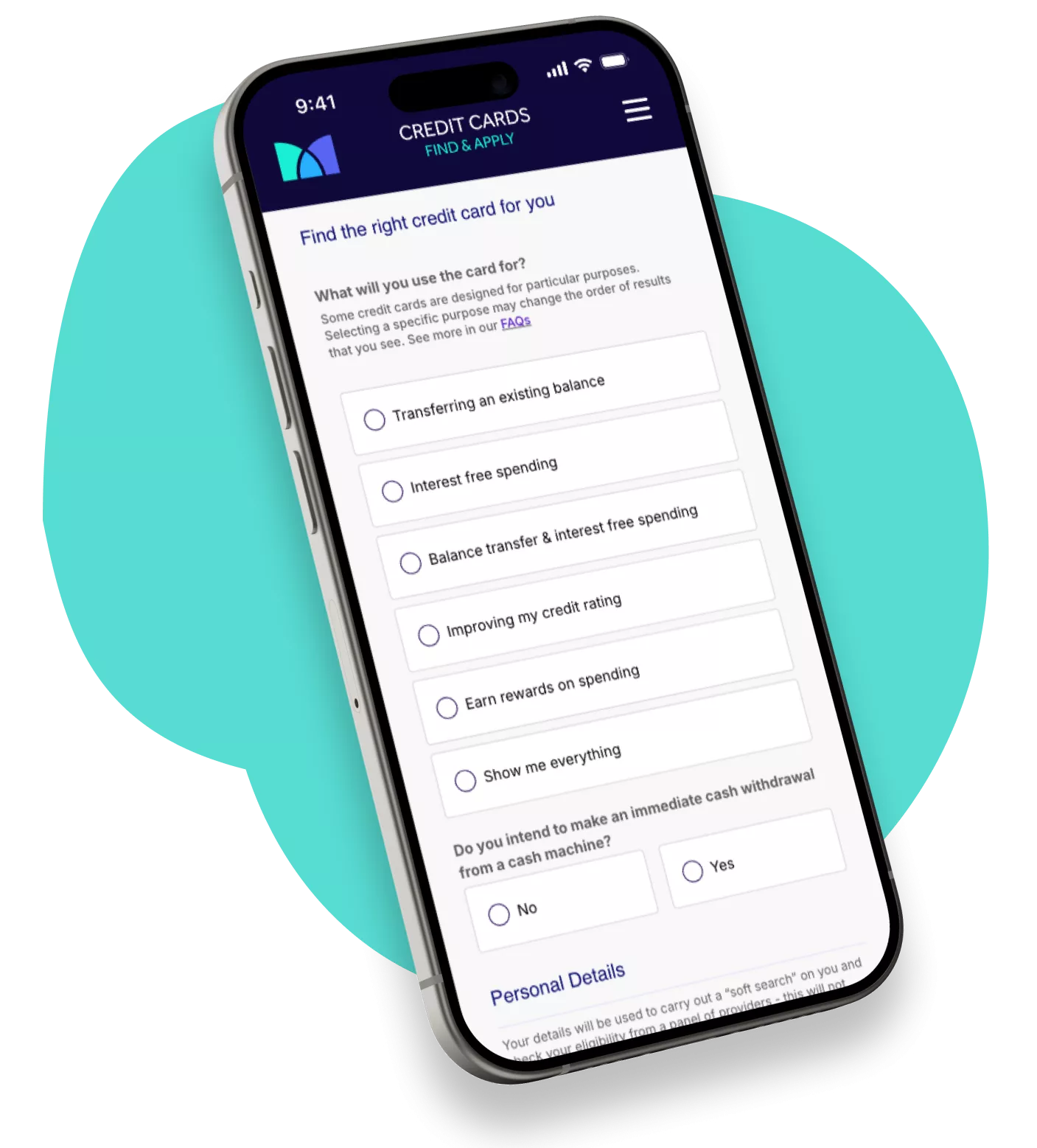
CREDIT CARD ELIGIBILITY CHECKER
See your chances of getting a credit card
Applying for a credit card in the UK does not need to feel overwhelming. Using a credit card eligibility checker can help you understand which cards you may have a good chance of being approved for before you apply. It uses a soft search, so it will not affect your credit score, and it gives you a clearer view of your options upfront.
 Does not impact your credit score
Find out which credit cards you’re eligible for
34.9% Representative APR (variable)
Does not impact your credit score
Find out which credit cards you’re eligible for
34.9% Representative APR (variable)Mintify Limited, trading as Mintify, is an Introducer Appointed Representative of Creditec Limited who acts as a credit broker, not a lender. UK residents only. Terms of Use apply.
Why a credit card eligibility checker is useful
A credit card eligibility checker helps you understand which cards you may have a reasonable chance of being accepted for before applying. Instead of sending multiple applications and facing avoidable rejections, you get a clearer view of the options that are more closely aligned to your financial profile.
It runs a soft search, so it reviews your credit history without leaving a mark on your credit report. Hard searches, which happen when you apply directly with a lender, can have a negative impact if several are done in a short period. Using an eligibility checker helps you avoid unnecessary hard searches.
It also saves time by filtering out cards that are unlikely to fit your circumstances. This lets you focus on options that are more suitable and avoids applying for products that do not match what lenders typically look for. While it cannot guarantee approval, it gives you clearer information before you decide whether to apply.
Understanding your credit needs
Before you apply, it helps to be clear about what you want your credit card to do for you. Different cards are designed for different goals, so understanding your credit card priorities will make it easier to focus on the right options.
- Credit building cards: Suitable if you are new to credit or working to strengthen your credit profile.
- Reward credit cards: A good fit if you want to earn points or cashback on your everyday spending.
- Balance transfer cards: Designed to move existing balances to a lower or 0 percent rate for a set period.
- Low interest cards: Helpful if you expect to carry a balance and want more predictable monthly costs.
Once you know what matters most to you, an eligibility check can help you see which types of cards may be a closer match for your situation. It gives you clearer information before you apply, so you can compare options with confidence and avoid applying for cards that may not be suitable.
How the eligibility check works
Using a credit card eligibility checker is straightforward and helps you understand your options before you apply. Here’s what usually happens:
- Provide your details: You’ll be asked for information such as your date of birth, address history, income and employment. This is used to assess how well different cards may match your profile.
- Soft search assessment: A soft credit search is carried out with a credit reference agency. This does not affect your credit score and is only visible to you. Lenders will run their own checks if you choose to apply.
- View your matches: You’ll see a list of cards that may be more suitable based on your information. Some providers may show pre-approved offers, although final approval always depends on their full checks.
- Apply directly: If you go ahead, the lender will run a hard credit search as part of the full application. This is recorded on your credit file and can be seen by other lenders.
What you’ll usually need to be eligible
Criteria vary between lenders, but most credit card providers in the UK will expect you to meet some core requirements. These often include:
- being aged 18 or over (some cards require applicants to be 21+)
- being a UK resident with a recent and verifiable address history
- having a regular income from employment, self-employment or another proven source
If you choose to apply, the lender may ask for documents to verify the information you’ve provided. These usually include:
- proof of identity
- proof of address
- proof of income
Mintip: Small changes can make a difference to your eligibility over time. Paying bills on time, keeping balances low and avoiding multiple applications close together can all help. You can read more ways to improve your eligibility.

Find the right Credit Card for you
No impact to your credit score
Find out which cards you’re eligible for
34.9% Representative APR (variable)
Mintify Limited, trading as Mintify, is an Introducer Appointed Representative of Creditec Limited who acts as a credit broker, not a lender.
Can you check credit card eligibility if you have bad credit?
Having a low credit score does not rule out getting a credit card, but it can limit the types of products lenders are willing to consider. An eligibility checker can be particularly helpful here, as it shows which options may be more suitable for your circumstances without affecting your credit score.
Most lenders that work with applicants who have poor or limited credit history offer credit building cards. These typically come with higher interest rates and lower starting limits. Used responsibly, for example by paying on time and keeping balances low, they can support healthier credit habits over time, although results vary by individual situation.
A soft search eligibility check lets you see whether you could be considered for a credit-building card before you apply. If a lender displays a pre-approved result, it means you appear to meet their initial criteria, but final approval will always depend on their full checks.
While your options may be narrower, checking eligibility first helps you avoid unnecessary applications and gives you clearer information before deciding whether to apply.

Important: Missing payments can lead to extra charges and may affect your credit rating. Only take out credit if you’re confident you can keep up with the repayments. If your repayments ever become difficult to manage, free and impartial support is available from organisations such as StepChange, National Debtline and MoneyHelper.
How to compare credit cards once you’ve checked your eligibility
After seeing which cards may be a closer match for your circumstances, the next step is choosing the option that fits your needs. Comparing credit cards involves more than looking at the headline interest rate; it’s about understanding the full costs, features and how each card aligns with your spending habits.
Here are the main factors to consider when comparing cards in the UK:
- Interest rates: The Representative APR shows the cost of borrowing for at least 51 percent of customers, but it may not include all fees.
- Annual fees: Some cards do not charge an annual fee, while others do. A fee-paying card might only be worthwhile if you make full use of its benefits.
- Rewards and benefits: Cashback, loyalty points or air miles can be useful, but only if they match your normal spending patterns.
- Additional charges: Foreign transaction fees, late payment fees or cash withdrawal charges can add to the overall cost, so it’s worth reviewing these before applying.
Why credit card eligibility results vary between providers
It’s normal to see different eligibility results across lenders, even when you enter the same information. Each credit card provider uses its own criteria, scoring models and approach to risk, so the outcomes can vary from one lender to another.
Some of the main reasons include:
- Different scoring models: Lenders each have their own way of assessing creditworthiness. One provider may treat certain factors, such as past borrowing or income stability, differently to another.
- Internal risk appetite: Providers regularly update how strict or flexible they are with approvals. A lender targeting new customers may take a broader approach, while others may be more cautious.
- Data from credit reference agencies: Not all lenders use the same credit reference agency. Your file can look slightly different across Experian, Equifax and TransUnion, which can affect your result.
- Product-specific criteria: Some cards have tighter rules than others. For example, rewards or low interest cards may require a stronger credit profile, whereas credit building cards accept a wider range of applicants.
Because each lender evaluates applications in its own way, seeing a mix of results is expected. An eligibility checker brings all of this together in one place, giving you a clearer view of the cards that may be more suitable before you apply.
Credit card eligibility checker FAQs
What is a credit card eligibility checker?
A credit card eligibility checker is a tool that uses a soft search to show which cards may be suitable for you before you apply. It does not leave a mark on your credit file and helps you understand your options without affecting your score.
What’s the difference between eligibility and pre-approval?
An eligibility result indicates that you may meet a lender’s criteria based on the information you provide. Pre-approval means the lender has signalled that you appear to meet its initial checks, subject to full verification. Pre-approval is not a guarantee, and the lender will confirm your details and run a hard search before making a final decision.
What is the easiest credit card to get in the UK?
Credit-building cards are generally the most accessible, as they are designed for people with limited or developing credit histories. They usually have lower starting limits and higher interest rates, but they are built for those who are still establishing their profile.
Can you get a credit card in the UK as a foreigner?
Yes, you may be able to get a credit card in the UK if you meet the lender’s eligibility criteria. You will usually need a UK address, a bank account, and evidence of income or employment. Some lenders also require a minimum period of residency.
What is the minimum income for a credit card in the UK?
Income requirements vary between lenders and card types. Many providers set minimum annual income thresholds, but these differ widely. Some credit-building cards may have lower requirements, while rewards or premium cards often require higher earnings.
What credit score do you need for a credit card in the UK?
Lenders do not publish specific credit score requirements, and each uses its own assessment criteria. In general, cards with stronger features tend to require a stronger credit profile, while credit-building cards accept a broader range of applicants. For guidance on improving your credit card eligibility, you can read our guide on habits that may help strengthen your profile.
Can I get a card with bad credit?
You may still be able to get a credit card if you have a low or limited credit history, but your options are usually narrower. Credit-building cards are designed for this situation and may be more suitable, although approval will depend on each lender’s checks.
What if I am not eligible for any credit cards?
If your eligibility check shows no suitable options, it simply means lenders are less likely to approve an application at this moment. You might want to:
- review your credit report to make sure the information is accurate and up to date
- work on improving your financial profile by paying bills on time and reducing existing borrowing
- give it some time before applying again, as too many applications close together can affect your score
If you are worried about debt or your financial situation, free and impartial help is available from StepChange or MoneyHelper.
Find the right Credit Card for you
No impact to your credit score
Find out which cards you’re eligible for
34.9% Representative APR (variable)
Mintify Limited, trading as Mintify, is an Introducer Appointed Representative of Creditec Limited who acts as a credit broker, not a lender.